
How to Heal a Leaky Gut Naturally
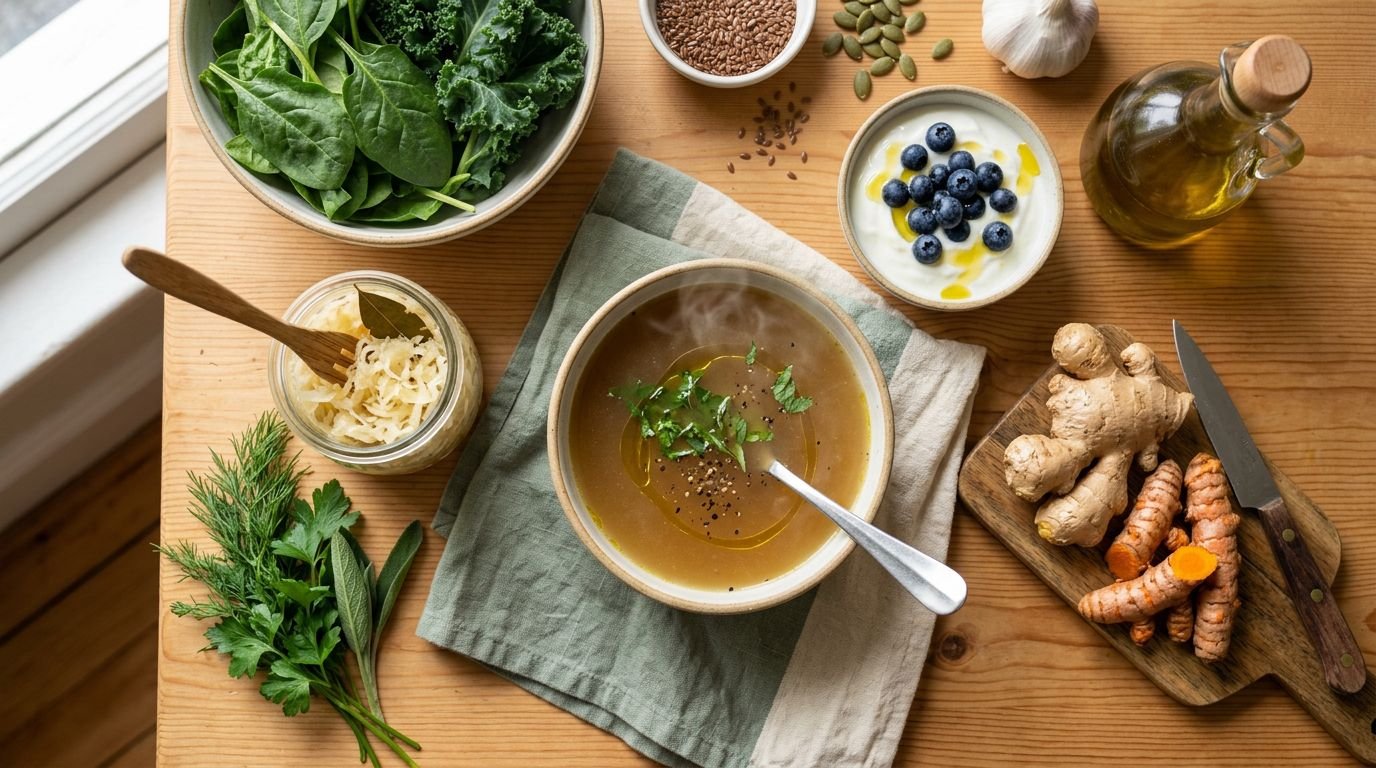
Have you ever felt bloated after meals, foggy in the afternoon, achy for no clear reason, or reactive to foods that never used to bother you? Those scattered symptoms can feel unrelated, but they often trace back to one place: the lining of your gut. The good news is that you can heal a leaky gut naturally by removing what irritates the gut lining, feeding it the nutrients it needs to rebuild, and calming the stress and sleep patterns that keep it inflamed. None of it requires a miracle product. It asks for a steady, root-cause approach.
Your gut lining is one of the busiest barriers in your body. When it works well, it lets nutrients through and keeps everything else out. When it becomes too permeable, that careful sorting breaks down, and the effects ripple outward. Here is what is actually happening, and the practical steps that help it recover.
Understand What a Leaky Gut Really Is
Before you can heal something, it helps to picture it clearly. Leaky gut is the everyday name for increased intestinal permeability, a state where the wall of your small intestine starts letting through particles it should normally block.
Think of Your Gut Lining as a Fine Mesh Strainer
Imagine a strainer with a very fine mesh. Water and tiny particles pass through, while larger bits stay behind. Your gut lining works the same way, with the holes controlled by structures called tight junctions that open and close as needed. When those junctions loosen too much, the mesh widens, and undigested food, bacterial fragments, and toxins slip into the bloodstream. Your immune system treats those escapees as intruders and mounts a response, which shows up as inflammation that can travel far beyond your digestive tract.
A protein called zonulin is the body's main switch for opening these junctions. Researchers have shown that when zonulin is overproduced, the barrier loosens and permeability climbs, which is why it has become a useful marker for gut-lining health (Research).
Signs Your Gut Barrier May Be Struggling
Digestive symptoms: bloating, gas, loose stools or constipation, and food sensitivities that seem to multiply over time.
Whole-body symptoms: fatigue, joint aches, skin flare-ups, and a general sense of inflammation.
Mood and focus changes: brain fog, low mood, or anxiety, since the gut and brain are in constant conversation through the gut-brain axis.
What Drives the Damage
Several everyday factors can wear down the gut lining at the same time.
Inflammatory foods: gluten in particular can trigger zonulin release and widen the junctions, an effect measured directly in intestinal tissue (Research).
Processed ingredients: many food additives and preservatives, along with excess sugar and alcohol, irritate the lining and feed unhelpful microbes.
Chronic stress: stress hormones loosen the barrier through a mast-cell pathway, a change confirmed in healthy adults, not just animals (Research).
If you want to see exactly how the gut wall works before you start rebuilding it, this walkthrough lays it out clearly.
Interested in learning more about how the gut works? Download our FREE Leaky Gut Webinar
Rebuild the Gut Lining With Food and Targeted Nutrients
Healing happens in a sensible order: first take away what irritates the lining, then supply what it uses to repair itself. Food does most of the heavy lifting here.
Remove the Triggers First
You cannot rebuild a wall while something keeps knocking it down. For most people, the highest-impact step is a temporary break from the most common irritants.
Pull back the big offenders: reduce gluten, added sugar, alcohol, and heavily processed foods (such as food dyes) for several weeks while the lining settles.
Notice your personal reactors: dairy, certain grains, or specific additives affect people differently, so pay attention to what consistently leaves you bloated or foggy.
Go slow and steady: a calm, sustainable change beats a dramatic cleanse that you abandon in a week.
Imagine this: Maria swaps her usual sweetened cereal and afternoon pastry for eggs, vegetables, and a handful of berries. Within two weeks her midday bloating eases and her energy holds steadier. She has not done anything heroic; she simply stopped re-irritating the lining every few hours.
Eat Foods That Help the Barrier Repair
Fiber-rich plants: vegetables, fruit, legumes, and whole grains feed your microbes, which ferment that fiber into short-chain fatty acids like butyrate. Butyrate is the preferred fuel for the cells lining your colon and helps strengthen tight junctions (Research).
Fermented foods: yogurt, kefir, sauerkraut, kimchi, and miso add living microbes and diversity to the gut community.
Collagen-rich foods: bone broth and slow-cooked cuts supply amino acids the lining uses as raw material for repair.
Colorful, polyphenol-rich foods: berries, olive oil, green tea, and herbs help calm inflammation and nourish beneficial bacteria.
Consider Targeted Nutrients
Once your diet is working for you, a few well-chosen supplements can speed the repair. Think of these as reinforcements, not replacements for food, and introduce them one at a time so you can tell what is helping.
L-glutamine: this amino acid is a primary fuel for gut-lining cells. A review of clinical trials found that glutamine supplementation can improve gut permeability in adults (Research).
Probiotics: specific beneficial strains help tighten the barrier. A meta-analysis found that probiotics lowered zonulin, a direct marker of a leakier gut (Research).
Zinc and vitamin D: both support the structure and immune balance of the gut wall, and many people run low without realizing it.
Choosing the right strains matters more than the number on the label, so it helps to start with ones that are actually studied for the gut.
Here is a link to our most trusted and recommended Probiotics!
Support the Whole System So Healing Holds
The gut lining does not heal in isolation. Stress, sleep, and movement all change how permeable that barrier is, which is why a root-cause approach looks at your whole day, not just your plate.
Lower Your Stress Load
Stress is not only in your head; it physically loosens the gut barrier. When stress hormones rise, the junctions in your gut wall open wider, which is why a tense, rushed life can keep a gut from healing no matter how clean the diet. You do not need a complete life overhaul to shift this. Small, repeated signals of safety to your nervous system add up over a day.
Daily down-shifts: a few minutes of slow breathing, a walk outside, or quiet time can move your nervous system out of fight-or-flight.
Protect the pauses: unhurried meals, screen breaks, and realistic to-do lists lower the steady drip of stress hormones.
Prioritize Sleep
Sleep is repair time for the whole body, including the gut. Circadian disruption and poor sleep have been linked to a leakier, more inflamed gut barrier in research on the gut's daily rhythm (Research). Aim for a consistent bedtime, a dark cool room, and a wind-down routine that signals your body it is safe to rest.
Move Gently and Stay Hydrated
Regular movement: walking, stretching, and moderate exercise support healthy digestion and a balanced microbiome.
Steady hydration: water helps maintain the mucus layer that protects the gut lining.
Patience with the process: meaningful gut repair usually unfolds over weeks to months, so consistency matters more than intensity.
If you are not sure where your gut stands right now, a quick assessment is a simple place to begin.
Take our FREE assessment to measure the health of your Gut Microbiome
Where to Start This Week
Healing a leaky gut naturally is less about doing everything at once and more about stacking small, steady choices that let the lining recover. Change is genuinely possible here, because the cells of your gut wall renew themselves quickly when you stop the damage and supply the right support.
If you want a gentle place to begin, pick one step from each area. Trade one processed snack for whole food today. Add one fiber-rich or fermented food to a meal. Build in a five-minute wind-down before bed and one short walk. Give these a few weeks of consistency before you judge the results, and notice how your digestion, energy, and mood respond. Keeping a simple note of what you eat and how you feel can make patterns obvious that are easy to miss day to day. From there you can layer in targeted nutrients or functional testing with a practitioner who can see what your individual gut needs and tailor the plan to your body rather than to a generic protocol. Your gut has a remarkable capacity to heal when you stop the damage, supply the right support, and partner with it patiently.