

Magnesium for Anxiety and Better Sleep
Magnesium helps run your nervous system, and many people take in less than they need. Here is what studies show about magnesium for anxiety and sleep, which forms absorb best, how much is safe, and who should check with a doctor first.

How to Increase Dopamine Naturally
You can't take a pill and watch your dopamine rise. It's built from tyrosine through a pathway your daily habits control. Here's what movement, sleep, morning light, cold exposure, and real food do for it, and why the dopamine detox trend gets the mechanism backwards.

How to Stimulate Your Vagus Nerve for Calm
Hum, gargle, splash cold water — the standard vagus nerve list is far longer than the evidence behind it. Here is which techniques actually hold up, why the exhale does most of the work, how to tell whether it is working before any number moves, and what to do when calm will not stick.

The Gut-Serotonin Connection: Why Mental Health Starts in the Gut
Ninety-five percent of your serotonin is made in your gut, and almost every version of that claim gets the mechanism wrong. Gut serotonin never reaches your brain. Here is what actually connects the two, the four channels that carry the signal, and the ordinary changes that reach all four of them.

Why Am I So Bloated? Common Causes and Real Fixes
Chronic bloating usually comes down to four drivers that stack: gas you cannot clear, a bowel that is not emptying, an abdominal wall that has learned to push outward, and a gut that feels everything. Here is how to tell which one is yours, and the fixes worth trying in order.

Do Food Dyes Affect Kids' Behavior? What the Research Actually Says
Your kid comes home from a party and you are living with a different child. Synthetic dyes do affect behavior in some kids, and not in most — but behavior is only the marker that is easy to see. Here is what the research shows about the gut, the immune system, and DNA, and why we ask families to remove dyes either way.

Natural Food Coloring Alternatives That Are Easier on Your Stomach
Not every natural colorant is gentle. Purple carrot, beet, and paprika sit at the easy end, while annatto actually causes more reactions than the synthetic dyes it replaces. Here is how the natural options sort out by how your stomach handles them, and what the word natural on a label does not guarantee.

Can Blue Food Coloring Cause Diarrhea?
That bright blue slushie or sports drink left you cramping, but is the dye really to blame? For most people the blue coloring is an unlikely direct cause of diarrhea. More often it is the sugar, sugar alcohols, or processed mix riding along with it. Here is how to tell what is actually upsetting your gut.
How to Choose the Right Probiotic
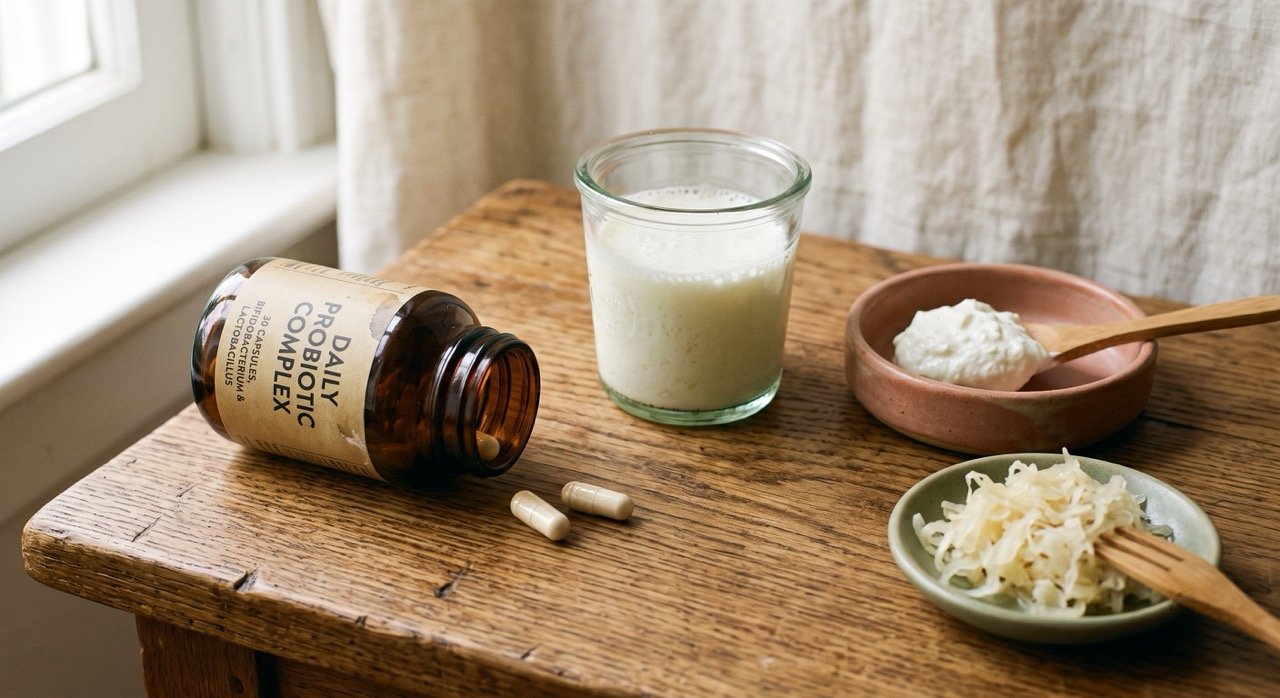
With a wall of bottles all promising a happier gut, how do you actually pick one? The right probiotic is the strain studied for your specific goal, not the biggest number on the label. Learn how to match strain to goal, read the label like a practitioner, and personalize the choice so you stop guessing.

The Best Foods for Gut Health
Wondering which foods actually move the needle for your gut? The answer isn't a single superfood, it's fiber diversity, fermented foods, and polyphenols working together. Learn the specific foods the research backs, what quietly crowds gut health out, and where to start this week.

Histamine Intolerance: Signs, Triggers, and How to Heal
Flush, get headaches, or feel bloated after wine, leftovers, or aged cheese while your allergy tests stay clear? That mismatch points to histamine intolerance — a clearance problem rooted in the gut. Learn the signs, the real triggers, and the steps that lower your histamine load so more foods come back onto your plate.

SIBO: Symptoms, Causes, and How to Address It Naturally
Bloated after every meal, gassy, foggy, and tired—yet your labs keep coming back normal? SIBO, or small intestinal bacterial overgrowth, is a common, often-missed cause. Learn the symptoms, the real root causes like sluggish gut motility and low stomach acid, and a natural, step-by-step path to lasting relief.
How to Heal a Leaky Gut Naturally
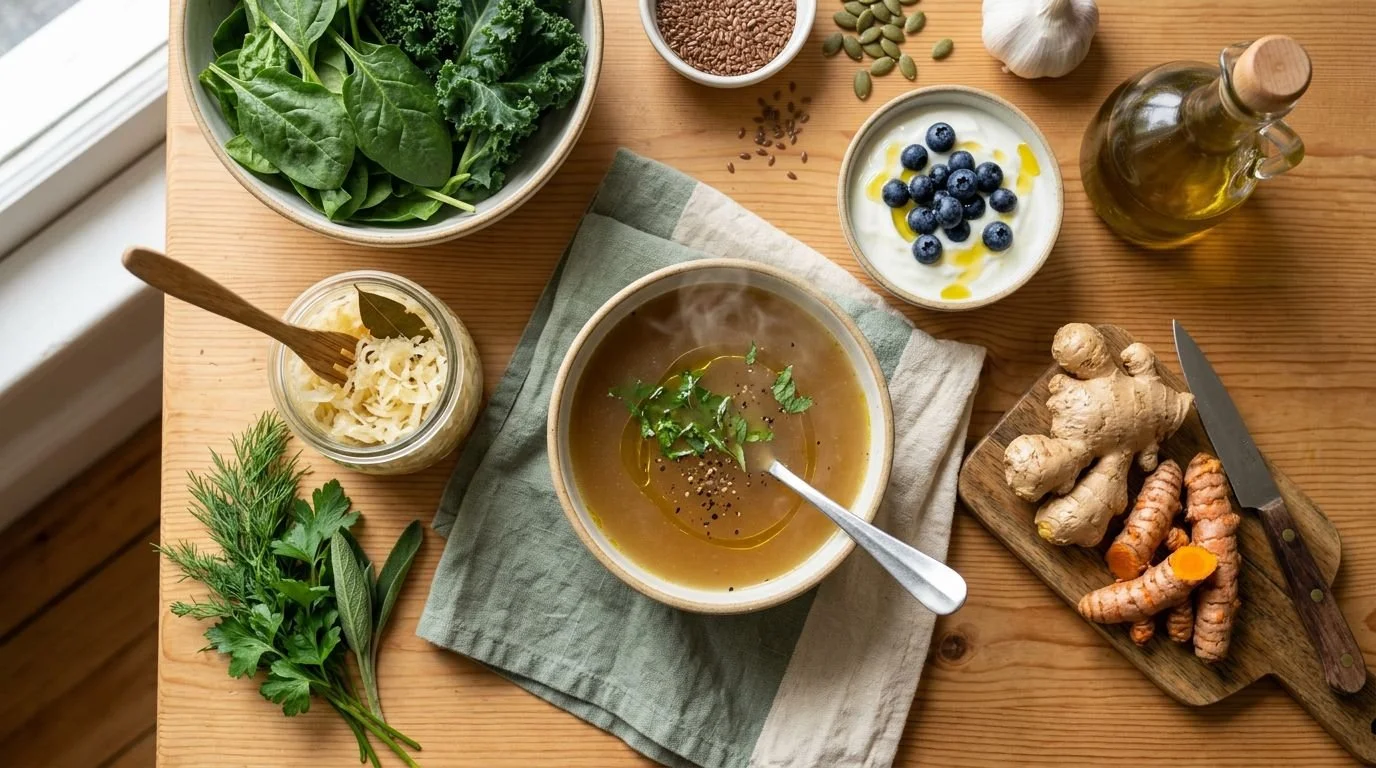
Bloated, foggy, or reactive to foods that never bothered you before? Those scattered symptoms often start in the gut lining. Learn how to heal a leaky gut naturally — by removing triggers, rebuilding the barrier with food and targeted nutrients, and calming the stress and sleep patterns that keep it inflamed.

How to Create a Sleep-Inducing Nighttime Routine
Struggling to fall asleep or stay asleep through the night? Learn how to create a sleep-inducing nighttime routine using proven strategies like magnesium supplementation, calming rituals, and nervous system support. This guide offers practical steps to improve sleep quality naturally—without relying on medication.

Best Time of Day For Intermittent Fasting
Intermittent fasting works best when your eating window follows your body’s natural circadian rhythm, which means eating during daylight hours and fasting after sunset. In The Best Time of Day for Intermittent Fasting, we explore how aligning your meals with your metabolism, gut health, and sleep patterns can boost energy, support weight loss, and improve overall wellness. Research shows that choosing an earlier eating window—rather than eating late at night—helps regulate hormones, stabilize blood sugar, and enhance digestion for lasting results.

Should You Take Vitamins All At Once or Throughout the Day?
Should You Take Vitamins All at Once or Throughout the Day? The answer depends on how your body absorbs nutrients, how different vitamins interact, and how personalized your supplement routine needs to be. This blog breaks down absorption timing, common risks of overloading, and strategic ways to optimize your health through functional, individualized approaches.

How Many Vitamins Should a Woman Take Daily?
Discover how many vitamins a woman should take daily and which supplements are essential for energy, metabolism, immunity, and overall well-being. Learn how to personalize your vitamin intake based on age, lifestyle, and functional lab testing to avoid deficiencies and unnecessary supplements.

The Impact of Workplace Environment on Employee Mental Health
The Impact of Workplace Environment on Employee Mental Health affects job satisfaction, productivity, and overall well-being. Learn how toxic workplaces contribute to stress and burnout—and discover strategies to create a healthier, more supportive work culture.

The Benefits of Holistic Medicine for Chronic Illness Management
Holistic medicine takes a root-cause approach to healing, addressing chronic illness through functional medicine, nutrition, and nervous system regulation. By focusing on the benefits of holistic medicine for chronic illness management, individuals can reduce inflammation, restore balance, and support long-term wellness naturally.

How Many Supplements Should I Take?
How Many Supplements Should I Take? A Functional Approach to Supplementation – Taking too many (or too few) supplements can impact your health, but how do you know what your body actually needs? Learn how functional lab testing can help you create a personalized supplement plan based on real data, not guesswork.