Histamine Intolerance: Signs, Triggers, and How to Heal
Do you flush, get headaches, or feel itchy and bloated after a glass of red wine, a plate of leftovers, or a chunk of aged cheese — and your allergy tests keep coming back clear? That mismatch is one of the most common signs of histamine intolerance, a condition where your body cannot break histamine down fast enough to keep up with what you take in.
The short answer: histamine intolerance happens when histamine builds up faster than your body can clear it, usually because the enzyme that breaks it down in your gut is running low. The good news is that this is something you can work on. Once you understand the signs, the triggers, and the steps that lower your histamine load, most people feel meaningfully better. Let us walk through all three.
What Histamine Intolerance Actually Is
Histamine is a normal and useful chemical. Your immune cells release it to fight off invaders, it helps make stomach acid, and it carries messages in your brain. You also eat it every day, because histamine forms naturally in foods as they age and ferment. Problems start when the histamine coming in outpaces the histamine going out.
Think of it like a bucket
Imagine your histamine tolerance as a bucket. Every histamine-rich food, every glass of wine, and every allergy flare adds a little water. Your main drain is an enzyme called diamine oxidase, or DAO, which lives in the lining of your small intestine and breaks histamine down before it reaches your bloodstream. When DAO is plentiful, the bucket drains as fast as it fills. When DAO is low, the level keeps rising until it spills over — and that spillover is what you feel as symptoms. Research shows that histamine intolerance most often originates in the gut, where DAO is made.
The signs to look for
Because histamine acts all over the body, the symptoms scatter, which is exactly why this gets missed. They tend to show up shortly after eating and fade once the load drops. Common signs include:
Skin reactions — flushing, hives, itching, or a warm red face, often after wine or aged food.
Headaches or migraines — especially ones triggered by specific meals or drinks.
Digestive upset — bloating, cramping, loose stools, or nausea after eating.
Nasal and sinus symptoms — a runny or stuffy nose, sneezing, and congestion with no clear allergy behind them.
A racing or pounding heart — palpitations or a sudden flushed, lightheaded feeling.
Anxiety, restlessness, or poor sleep — histamine is also a stimulating brain signal, so a high load can leave you wired and on edge.
A recent review in the journal Nutrients notes that people with histamine intolerance usually carry several of these symptoms at once, across more than one body system, rather than a single tidy complaint. That pattern — many small, food-linked symptoms that no one test explains — is the real fingerprint.
Why it gets missed
Histamine intolerance is easy to confuse with a food allergy, but the mechanism is different. An allergy is your immune system overreacting to a specific protein. Histamine intolerance is a buildup and clearance problem, so standard allergy testing comes back normal. It is also thought to be more common in women in their middle years, partly because histamine and estrogen influence each other — which is why some women notice their symptoms track with their cycle.
The fastest way to know whether your gut is keeping up with your histamine load is to measure where it stands today.
Take our FREE assessment to measure the health of your Gut Microbiome
What Triggers Histamine Overload
Two things raise your histamine level: taking more in, and clearing less out. Most people who react are dealing with both at the same time. Knowing your personal triggers is what turns a frustrating guessing game into a plan.
High-histamine and histamine-releasing foods
Histamine climbs in food as it ages, ferments, or sits in the fridge, so the usual triggers are the foods we think of as rich and savory. Common ones include:
Aged and fermented foods — aged cheeses, sauerkraut, kimchi, soy sauce, kombucha, and miso.
Cured and leftover meats — salami, pepperoni, and prosciutto, plus any cooked meat saved as leftovers, since histamine keeps building in storage.
Certain fish — canned tuna, anchovies, and any fish that was not frozen quickly after the catch.
Alcohol — especially red wine, beer, and champagne.
Histamine "liberators" — foods that nudge your own cells to release histamine, such as citrus, tomatoes, strawberries, and chocolate.
You do not react to a food simply because it contains histamine. You react when that food pushes your bucket past the line. That is why you might handle one glass of wine on a calm week and flush badly after the same glass during a stressful one.
Things that block your drain
Some triggers work by slowing DAO itself, so histamine you would normally clear stays in circulation. Watch for:
Alcohol — it does triple duty here, since it carries histamine, prompts release, and directly blocks the DAO enzyme.
Certain medications — some common drugs can lower DAO activity, which is worth reviewing with your prescriber rather than stopping on your own.
Gut inflammation — because DAO is made in the intestinal lining, anything that drives inflammation in the gut can quietly cut your histamine-clearing capacity.
The gut connection most people miss
Here is the piece that ties it together. DAO is produced by the cells lining your small intestine, so the health of that lining sets your ceiling for clearing histamine. When the barrier is irritated and overly permeable — what many call leaky gut — DAO production drops and histamine slips through more easily. An imbalanced microbiome adds to the load, because some gut bacteria actually produce histamine of their own.
Imagine this: a woman in her forties starts getting afternoon headaches, evening hives, and a stuffy nose she blames on the season. Her allergy panel is clean. Looking closer, she had a rough stretch of stress and antibiotics last year, her digestion has been off since, and her symptoms spike on nights with wine and leftovers. Her real trigger turned out to be a worn-down gut lining that lowered her drain while her intake stayed high, with the wine and leftovers simply tipping a bucket that was already near the top. This same gut-driven pattern is why histamine symptoms so often travel alongside mood and sleep changes through the gut-brain axis.
Seeing the full picture — the gut lining, the microbiome, and how your body clears histamine — is exactly what functional testing is built for.
Curious how Functional Labs can improve Gut Health? Download this case study
How to Heal Histamine Intolerance
Healing works on both sides of the bucket: lower what goes in while you rebuild your ability to clear it. The goal is to calm things down, repair the gut, and widen your tolerance so more foods come back onto your plate over time.
Step one: lower the load for a short reset
A temporary low-histamine eating window gives your system room to drain. Think of it as a diagnostic tool, not a life sentence.
Eat fresh and cook fresh — choose freshly cooked meals over leftovers, and freeze extras right away instead of refrigerating them for days.
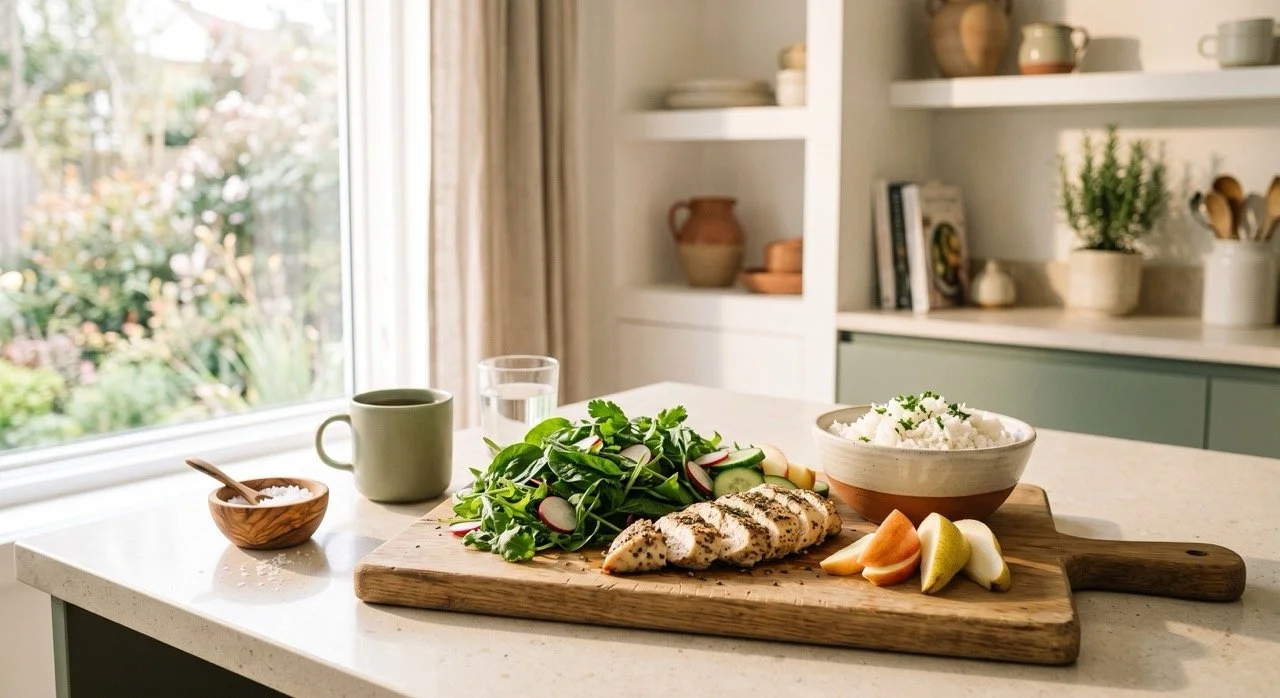
Lean on low-histamine staples — fresh-cooked poultry and fish, most fresh vegetables, rice, and fresh fruit like apples and pears.
Pause the biggest offenders — alcohol, aged cheese, cured meats, and fermented foods for a few weeks while symptoms settle.
Many people notice their reactions ease within two to four weeks. That relief is information: it tells you histamine is part of your story and points you toward the deeper repair work.
Step two: rebuild the gut and your DAO
Lowering intake helps you feel better, but raising your clearance is what makes the change last. Since DAO is made in the gut lining, repairing that lining is the heart of the work — the same foundation involved in healing a leaky gut.
Feed the lining — nutrient-dense, whole foods give the gut the raw materials it needs to repair and to keep making DAO.
Tend the microbiome carefully — a balanced gut community supports histamine clearance, though some fermented foods and probiotic strains are high-histamine, so this is a place to go slowly and personalize.
Support DAO's helpers — the enzyme relies on cofactors such as vitamin C, vitamin B6, and copper, which a whole-food diet generally supplies.
Targeted DAO supplementation taken with meals can also help in the short term. In one study, people with histamine intolerance saw their symptoms improve significantly with DAO support alongside dietary changes. It works best as a bridge while the underlying gut repair takes hold, ideally guided by a practitioner.
Step three: calm the nervous system
Stress and poor sleep both raise histamine release and tax the gut, so the quiet basics carry real weight here.
Protect your sleep — consistent, restorative sleep helps regulate immune and histamine activity.
Lower the stress dial — gentle movement, time outdoors, and slow breathing ease the load on both your nervous system and your gut.
Go gradually — as symptoms settle, reintroduce paused foods one at a time so you learn your true tolerance instead of guessing.
Where to Start
If those scattered, food-linked symptoms sound familiar, you are not imagining them, and you are not stuck with them. Histamine intolerance is a clearance problem you can change. Start small this week: cook fresh instead of saving leftovers, pause alcohol and aged cheese for a few days, and notice what shifts. That short experiment often brings the first real relief.
From there, the lasting change comes from healing the gut underneath it all so your body clears histamine the way it is meant to. Because that repair is personal — your triggers, your microbiome, and your DAO are unique to you — this is the point where guidance helps most.
If your symptoms are stubborn or layered, working with someone who can map your gut and your histamine load takes the guesswork out of it.
Interested in working with a Gut Specialist? Book with one of our team members to see how we can come alongside you.